
Darwin Plus Project DPLUS051
This Darwin Initiative funded project is a collaboration between St Helena Government, Connect Saint Helena (the islands utility company), the Centre for Ecology and Hydrology and Artcium to develop sub-catchment scale water balances to understand the relationship between the cloud forest, mist capture and the impact of invasive species in the cloud forest on the islands water supply. Data was collected from a new network of monitoring equipment measuring climate, mist interception and water levels and flows in streams and springs. The project started in April 2016 and was completed in June 2018.
Outcomes will support development of a cloud forest restoration plan, which will ensure the protection of the islands endemic plans and animals, as well as providing a more secure water supply for the islands people.


Water Resource History
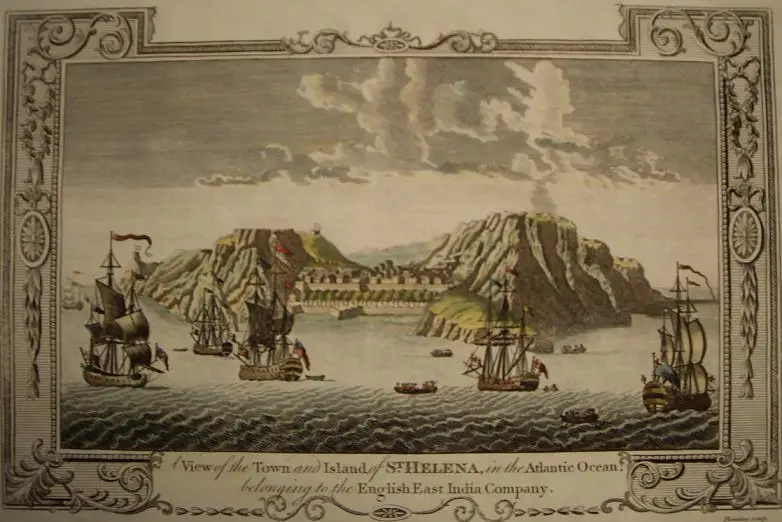
Since the South Atlantic island of St Helena was discovered by the Portuguese navigator Joao da Nova Castella in 1502, the islands biodiversity has been in decline. Early records indicate that the interior of the island was covered by dense forest, extending to some coastal areas. The introduction of goats and pigs, before permanent settlement in the mid 17th Century, significantly impacted on the islands forests and woodlands. The island was almost denuded of trees by 1802 due to the combined impacts from introduced livestock and deforestation to clear land for agricultural use and firewood.
This had a significant impact on the islands water supply, as the cloud forest and surrounding woodlands catch mist which percolates into the ground to feed the springs and streams. A reduction in cloud forest and woodland has a negative effect on the total flow in the islands streams as less mist is intercepted, resulting in less water available for potable water supply.
Climate and Water Resource Management
St Helena has experienced unpredictable weather in recent years, which has led to three droughts in the past four years. The island has a very high dependency on rainfall and mist capture to replenish water supplies. With the planned increase in eco-tourism, water demand is expected to rise, whilst climate change is likely to further impact on weather patterns.
The islands 20-Year Water Resource Masterplan outlines development and management of island water resources to provide security of supply and enable resilience to climate change. The preferred development approach is through rainwater harvesting (mist capture). Improving mist capture in the Peaks through restoring endemic cloud forest would increase available water resources and provide more cloud forest habitat for the islands endangered endemic plants and invertebrates.
